
Acoustic foam is a go-to solution for reducing noise and enhancing sound clarity in various environments. However, when used in public spaces, offices, and homes, safety becomes a crucial consideration. Fire-resistant acoustic foam combines soundproofing capabilities with fire safety features, making it an essential material in modern construction and design.

The Role of Fire Resistance in Acoustic Foam
Fire-resistant acoustic foam, such as melamine foam, achieves superior noise absorption while meeting stringent fire safety standards. Its open-cell structure enables effective sound absorption, while its inherent fire retardant properties ensure it minimizes fire hazards¹.
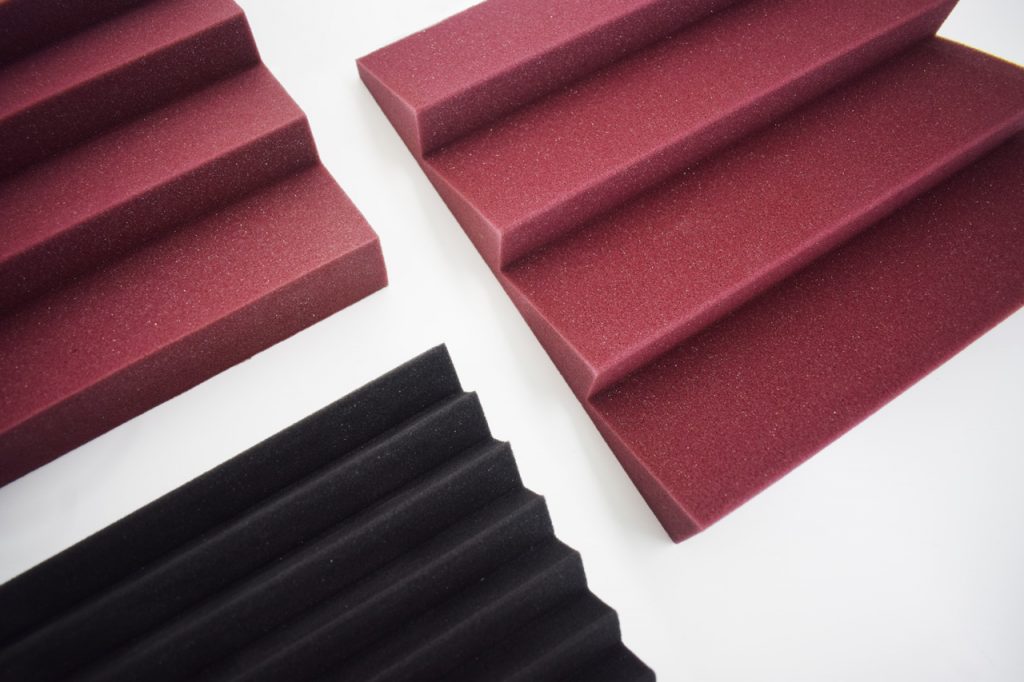
How Fire-Resistant Acoustic Foam Reduces Noise
Acoustic foam reduces noise by absorbing sound waves and converting them into heat energy through friction. This process prevents sound waves from reflecting off surfaces, reducing echoes and reverberation. The foam’s NRC rating measures its effectiveness in sound absorption, with higher ratings indicating better performance across a range of frequencies.
Melamine-based acoustic foam, such as Basotect, is known for its high NRC ratings and fire resistance. It provides a balanced approach to soundproofing, making it ideal for applications in theaters, studios, and public venues².

Safety Benefits of Fire-Resistant Acoustic Foam
Fire Retardant Properties
Fire-resistant acoustic foam is made from materials that are inherently flame retardant, such as melamine. This eliminates the need for additional chemical treatments, reducing toxic emissions during a fire.
Low Smoke and Toxicity Levels
Melamine foam produces minimal smoke and harmful gases when exposed to heat, ensuring safer evacuation conditions in case of a fire.
Compliance with Fire Safety Standards
Fire-resistant foam complies with international fire safety standards, such as ASTM E84 and EN 13501-1, making it suitable for use in high-risk environments like transportation systems, industrial facilities, and public buildings³.
Applications of Fire-Resistant Acoustic Foam
Public Spaces
Fire-resistant foam is commonly used in auditoriums, airports, and hospitals where fire safety regulations are stringent.
Studios and Theaters
These spaces benefit from both the acoustic and fire-resistant properties of foam, ensuring safe and soundproof environments for performers and audiences.
Transportation Systems
Melamine foam is used in trains, airplanes, and ships to control noise while meeting safety requirements for passenger comfort.
Residential and Commercial Buildings
Fire-resistant foam panels are often installed in homes and offices to enhance privacy, reduce noise, and comply with building codes⁴.

Fire-resistant acoustic foam offers a unique combination of safety and soundproofing, making it a critical material in both residential and commercial applications. With its high NRC ratings, flame retardant properties, and low emissions, it addresses modern demands for safe, sustainable, and effective noise reduction. By choosing solutions like melamine-based Basotect foam, designers and architects can create acoustically balanced spaces that prioritize safety without compromising on performance.
References
BASF. (2023). Basotect Melamine Foam for Fire-Resistant Soundproofing. Retrieved from https://www.basotect.com
Auralex Acoustics. (2023). Fire-Resistant Acoustic Foam Panels. Retrieved from https://www.auralex.com
Knauf Insulation. (2023). Fire Retardant Materials in Acoustic Design. Retrieved from https://www.knaufinsulation.com
U.S. Green Building Council. (2023). Sustainable Fire-Resistant Acoustic Solutions. Retrieved from https://www.usgbc.org
Acoustic Geometry. (2022). Soundproofing with Fire-Safe Materials. Retrieved from https://www.acousticgeometry.com
Share