The Science of Soundproofing: Acoustic Foam and NRC Ratings Explained

Acoustic foam is an essential tool in soundproofing, designed to absorb sound waves and minimize noise in a variety of environments. Unlike traditional soundproofing materials that block sound, acoustic foam reduces echoes and reverberation by trapping sound energy in its open-cell structure. This energy is dissipated as heat, effectively reducing noise and improving sound clarity¹.

How Acoustic Foam Works
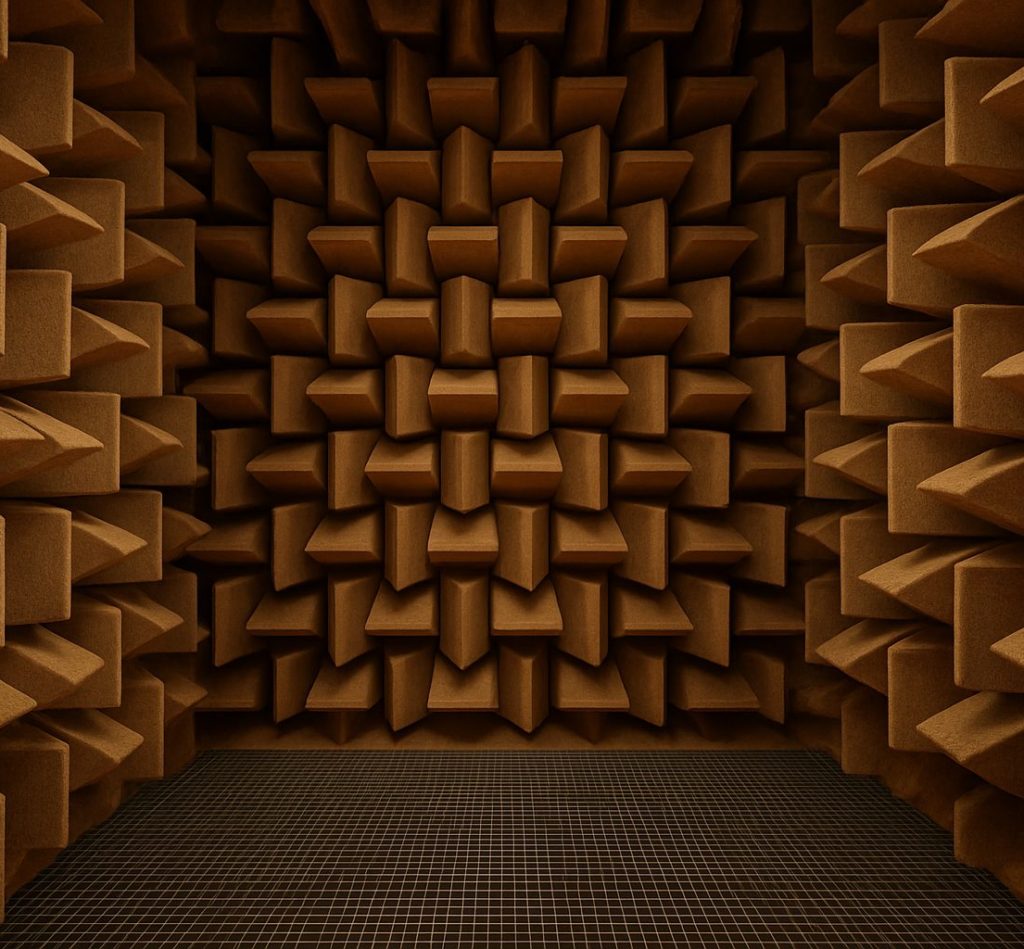
Acoustic foam is available in various shapes, including wedges, pyramids, and flat panels, each designed to target specific frequencies and enhance absorption. Its versatility makes it suitable for applications such as recording studios, offices, theaters, and residential spaces.

Understanding NRC Ratings and Sound Absorption
The Noise Reduction Coefficient (NRC) is a critical metric that measures how effectively a material absorbs sound. Rated on a scale from 0 to 1, an NRC of 0 indicates no absorption, while a rating of 1 means the material absorbs 100% of the sound energy. For example, an acoustic foam panel with an NRC rating of 0.85 absorbs 85% of sound waves, making it highly effective at reducing noise.
The NRC rating is determined through standardized tests that measure sound absorption at specific frequencies, including 250 Hz, 500 Hz, 1000 Hz, and 2000 Hz. Materials like melamine foam and Auralex acoustic panels are engineered to achieve high NRC ratings, optimizing them for soundproofing across a broad range of frequencies².
Factors Influencing NRC Ratings
Material Composition
Melamine foam, such as Basotect, features an open-cell structure that traps sound waves efficiently. Its lightweight, durable design contributes to superior NRC ratings.
Thickness and Density
Thicker foam panels absorb low-frequency sounds more effectively, while density enhances the material’s ability to manage higher frequencies.
Surface Texture
Acoustic foams with patterns like wedges or pyramids increase surface area, improving sound absorption across mid-to-high frequencies.
Proper Installation
Correct placement on walls, ceilings, and corners ensures maximum sound absorption and reduces noise leakage³.
Applications of Acoustic Foam with High NRC Ratings
Acoustic Studio Foam
Studios rely on high NRC-rated foam to eliminate echoes and reverberation, creating acoustically balanced spaces for audio recording and production.
Commercial Spaces
Offices and meeting rooms use acoustic foam to minimize distractions, improving focus and communication.
Residential Soundproofing
Homes with media rooms, music spaces, or shared walls benefit from foam soundproofing panels that enhance privacy and reduce noise.
Theaters and Auditoriums
In large spaces, acoustic foams help manage reverberation, ensuring clear sound delivery and an immersive audio experience⁴.
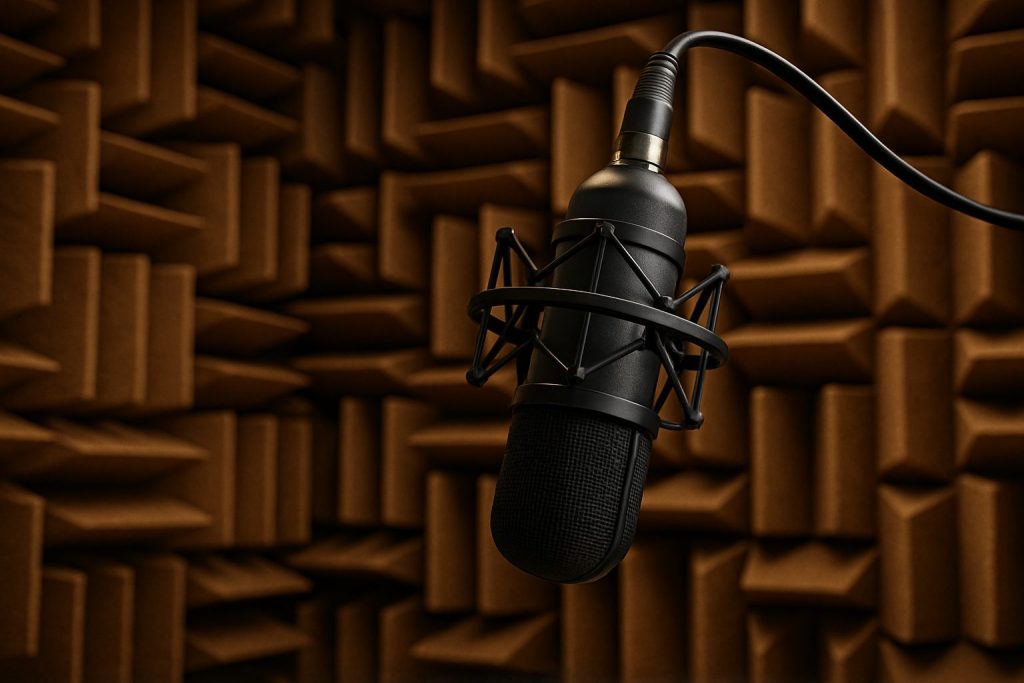
The combination of acoustic foam and NRC ratings forms the foundation of effective soundproofing, allowing architects, designers, and homeowners to create acoustically optimized spaces. By selecting high NRC-rated materials such as melamine foam and Auralex panels, users can achieve superior noise control and sound clarity. With advancements in sustainable materials and innovative designs, acoustic foam continues to play a crucial role in shaping environments that prioritize both functionality and comfort.
References
Acoustic Geometry. (2022). The Science of Soundproofing with Acoustic Foam. Retrieved from https://www.acousticgeometry.com
BASF. (2023). Basotect Melamine Foam for Acoustic Applications. Retrieved from https://www.basotect.com
Auralex Acoustics. (2023). Acoustic Foam Panels for Professional Studios. Retrieved from https://www.auralex.com
Knauf Insulation. (2023). NRC Ratings in Acoustic Materials. Retrieved from https://www.knaufinsulation.com
U.S. Green Building Council. (2023). Sustainable Acoustic Materials and Solutions. Retrieved from https://www.usgbc.org
Share