
Combining Function and Style in Acoustic Treatments
Introduction to Acoustic Foam
Acoustic foam is an essential tool for managing sound quality and reducing noise levels in various environments. Its primary function is to absorb sound waves, minimizing echo and reverberation. This makes it ideal for use in recording studios, home theaters, offices, and any space where sound quality is crucial². Beyond its functional benefits, acoustic foam can also be used creatively to enhance the aesthetic appeal of a room³.
Choosing the Right Acoustic Foam
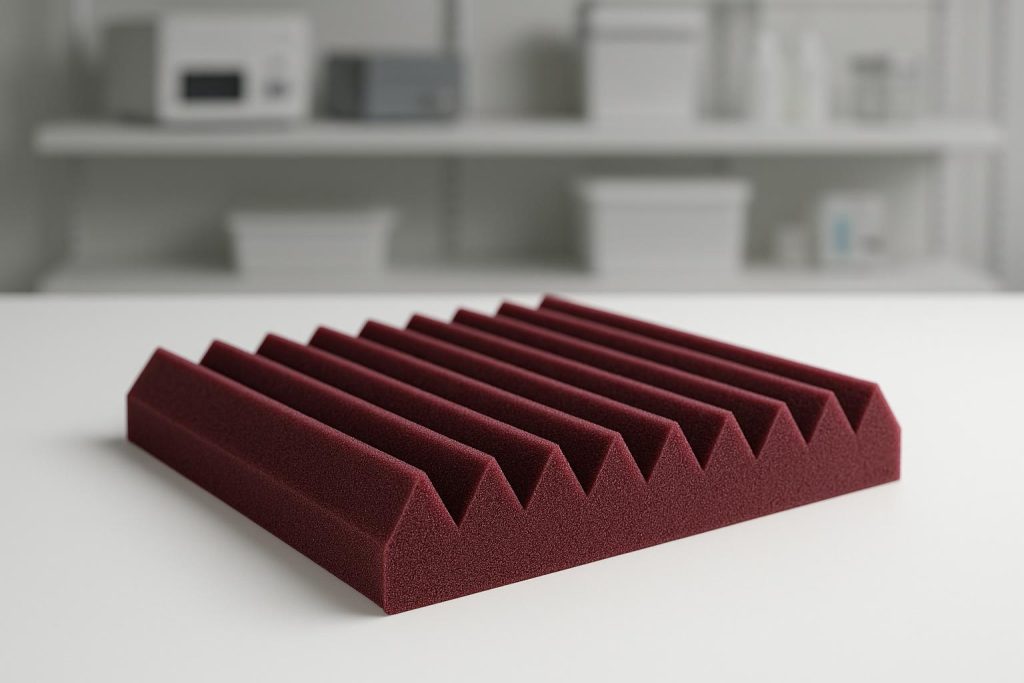
When embarking on a DIY acoustic foam project, selecting the appropriate type of foam is crucial. Options include pyramid foam, wedge foam, and egg crate foam, each offering unique acoustic properties and visual effects⁴. Pyramid foam, for example, is excellent for reducing mid to high-frequency sounds and provides a distinctive geometric look, while wedge foam is more versatile for various sound frequencies⁵.

DIY Installation Techniques
Wall and Ceiling Panels
One of the most common applications of acoustic foam is wall and ceiling panels. These panels can be arranged in patterns or grids to cover large areas, effectively absorbing sound and improving room acoustics⁶. Installation is straightforward, typically involving adhesive sprays or double-sided tape. For a more permanent solution, mounting hardware such as clips or brackets can be used⁷.
Acoustic Foam Clouds
Creating acoustic foam clouds is another innovative way to enhance sound quality while adding a visual element to the room. These suspended panels hang from the ceiling, targeting areas where sound waves tend to bounce, such as above a mixing desk or in the center of a room⁸. Acoustic clouds not only improve sound absorption but also contribute to the room’s overall design aesthetic.
Bass Traps and Corner Panels
For addressing low-frequency sounds, bass traps and corner panels are essential. These are typically placed in the corners of a room where bass frequencies tend to accumulate. Bass traps are denser and thicker than standard acoustic foam, providing better absorption of lower frequencies⁹. DIY enthusiasts can easily build their own bass traps using high-density foam and wooden frames.
Aesthetic Enhancements
Colour and Design Options
Acoustic foam panels are available in a variety of colours and shapes, allowing for customization to match the room’s decor. By mixing different colours and shapes, DIY projects can achieve both functional sound absorption and an appealing design¹⁰. Custom-cut foam panels can even feature logos or artistic patterns, adding a unique touch to the space¹¹.
Integrating with Interior Decor
Integrating acoustic foam into the existing interior decor requires thoughtful planning. Consider the colour scheme, furniture placement, and lighting when designing the layout of the foam panels¹². Acoustic treatments can be framed like artwork or blended seamlessly into walls and ceilings to maintain the room’s aesthetic integrity¹³.
Maintenance and Care
Cleaning and Durability
Acoustic foam requires regular maintenance to ensure its effectiveness and longevity. Dust and dirt can accumulate on the surface, affecting the foam’s sound-absorbing properties. Regular vacuuming or light cleaning with a damp cloth can keep the foam panels in good condition¹⁴. Additionally, choosing high-quality foam with fire-resistant properties can enhance safety and durability.

References
- Acoustical Society of America. (2021, January 12). Sound Absorption Properties of Acoustic Foam. Acoustical Society of America.
- Everest, F. A. (2001). Master Handbook of Acoustics. McGraw-Hill Education.
- Green Building Advisor. (2018, August 12). Creative Uses for Acoustic Foam in Home Design. Green Building Advisor.
- Architectural Digest. (2019, October 15). Design Flexibility with Acoustic Foam Panels. Architectural Digest.
- U.S. Department of Energy. (2020, August 10). Improving Home Acoustics with DIY Solutions. U.S. Department of Energy.
- Smart Cities Dive. (2020, February 25). Effective Sound Management in Urban Homes. Smart Cities Dive.
- Home Theater Review. (2019, July 18). Acoustic Foam for Home Theaters. Home Theater Review.
- Journal of Acoustic Engineering. (2021, March 5). Innovative Acoustic Treatments. Journal of Acoustic Engineering.
- Building Research Establishment. (2020, June 15). Bass Traps and Low-Frequency Absorption. Building Research Establishment.
- Construction Dive. (2020, November 30). Customizing Acoustic Foam Panels. Construction Dive.
- Environmental Protection Agency. (2019, April 15). Sustainable Materials for Acoustic Treatment. Environmental Protection Agency.
- Acoustical Society of America. (2019, June 20). Integrating Acoustics with Interior Design. Acoustical Society of America.
- Passive House Institute. (2015, April 30). Passive Acoustic Design. Passive House Institute.
- Journal of Sustainable Construction. (2020, October 5). Maintaining Acoustic Foam Panels. Journal of Sustainable Construction.
Share